


Old World Manor Décor




Old World Manor Décor: A Definitive Guide to Aristocratic Elegance, Equestrian Romance, and Refined Country-Estate Living
Old World manor décor summons the atmosphere of centuries-old European estates, where timeworn stone, carved timbers, and lavish textiles narrate the evolving stories of noble families and cherished traditions. This revered aesthetic, rooted in the English country house, carries with it an unmistakable sense of permanence and prestige. Across long galleries filled with ancestral portraits, drawing rooms illuminated by candlelight, and studies lined with leather-bound tomes, the mood is one of cultivated refinement — a quiet grandeur shaped by generations of craftsmanship and gentle evolution.
At its heart, Old World manor décor is a celebration of heritage. It draws upon medieval fortresses, Tudor manors, Renaissance artistry, Georgian symmetry, and Victorian romanticism, weaving these eras into interiors steeped in authenticity. It is a style that resonates with deep emotional warmth: the promise of continuity, the comfort of tradition, and the poetry of objects that appear lovingly handed down rather than newly acquired.
This décor style is also inextricably tied to the equestrian lifestyle — one of the most enduring symbols of aristocratic English country living. Horses have long been associated with nobility, sport, leisure, and refinement, and equestrian motifs have adorned stately homes for centuries. From dignified horse busts to bridle-stitched leathers and portraiture capturing riders mid-canter, equestrian influence brings spirited elegance to manor-style interiors.
Equally compelling is the presence of the refined hunting lodge aesthetic — not rustic or rugged, but elevated and stately. It pays homage to the long-standing English tradition of foxhunting, stag pursuits, and the sporting culture that shaped manor life. Here, polished antler décor, brass foxes, hound sculptures, shield motifs, and heraldic crests contribute to an atmosphere of sophisticated sporting heritage.
In today’s world, Old World manor décor flourishes not only through vintage-inspired pieces but also through authentic English antiques, which serve as tangible fragments of the past. Antique silver trays, carved wooden chests, Victorian riding prints, Regency brassware, and Georgian mirrors offer unmatched character and bring genuine historical resonance to modern homes.
This guide — crafted to help readers style, understand, and appreciate this timeless, luxurious aesthetic — will provide both inspiration and practical wisdom. It explores the essential elements of Old World manor décor and reveals how these pieces, whether antique or vintage-inspired, can transform any space into a haven of warmth, elegance, romance, and noble charm.
Key Characteristics of Old World Manor Décor
Architectural Grandeur Echoed Through Decorative Objects
Old World manor interiors reflect the influence of grand architectural traditions. Even when showcased through small decorative objects, the shapes and motifs call back to Gothic arches, medieval stonework, Tudor carvings, and Renaissance flourishes. While modern homes may not feature balustraded staircases or carved oak beams, décor can evoke these atmospheres through material choices and ornamental detailing.
Wrought iron elements recall the craftsmanship of medieval gates. Distressed wood frames mimic the patina of Tudor-era joinery. Acanthus leaves, scrollwork, rosettes, and crest motifs echo Renaissance artistry once carved into the ceilings of great halls. These details reshape contemporary rooms into spaces with gravitas and heritage, even if the architecture itself is modest.
Through accessories, wall décor, and furnishings, the architectural beauty of manors becomes accessible to every home. A carved box can feel as storied as a carved door; a crest-emblazoned mirror can evoke the lineage once represented on family heraldry. It is the symbolic presence of history — beautifully distilled — that gives Old World manor décor its romantic soul.
Aristocratic Equestrian Influence
The equestrian theme is foundational to Old World manor décor, reflecting centuries of English country traditions. Horses were not merely animals; they were emblems of status, companionship, sport, and skill. Their imagery filled libraries, hallways, and studies — often depicted in portraits, sculptures, and engraved prints.
Equestrian décor elements commonly include:
-
Horse bust statues
-
Portraits of riders, thoroughbreds, or classical stud images
-
Sculptures of galloping horses or hunting parties
-
Bridle-inspired leatherwork with stitching, buckles, and saddle motifs
-
Antique English riding prints
-
Decorative stirrups, bits, and horse brass ornaments
These elements convey grace, strength, and nobility. They bring a sense of movement to otherwise still interiors and lend emotional depth to manor décor. Equestrian influence also introduces a tactile richness — embossed leather, polished wood, and burnished metal — evoking the feel of saddlery and the refined sporting life.
The equestrian world is inseparable from the story of English estate living. Including these motifs in an interior pays homage to a heritage that shaped architecture, social customs, and even seasonal event calendars. In design terms, equestrian décor strikes the perfect balance: stately yet spirited, dramatic yet sophisticated, timeless yet dynamic.
Refined Country Manor Hunting-Lodge Motifs
A common misconception is that any hunting-themed décor must be rustic. In true Old World manor style, the opposite is true: hunting décor is elevated, polished, formal, and deeply tied to heritage. It reflects the ceremonial traditions of country sports rather than rugged wilderness pursuits.
Refined hunting-lodge décor may include:
-
Brass fox figurines
-
Stag busts or sculptures
-
Hound-themed artwork
-
Heraldic shields and crests
-
Antique rifles or ceremonial horns (stylized, nonfunctional décor)
-
Framed foxhunting prints from English artists
-
Tartan textiles with elegant color palettes
Rather than evoke a rustic cabin, these décor pieces echo the trophy rooms and drawing rooms of historic English homes, where equestrian events, hunting parties, and seasonal celebrations were part of aristocratic rhythm. They add warmth, storytelling, and depth to interiors without compromising luxury or refinement.
Materials That Define Aristocratic Heritage
Materials are crucial to achieving an authentic manor aesthetic. Old World décor favors substances that develop character over time — those that age gracefully and feel substantial in the hand:
-
Mahogany, walnut, and oak: deep and richly grained, often carved
-
Embossed and bridle leather: echoing saddlery and Victorian bookbinding
-
Aged brass and patinated gold: warm metals reflecting candlelit history
-
Stone, marble, and alabaster: grounding materials with Old World gravitas
-
Velvet, tapestry, and damask: textiles associated with status and comfort
These materials create an atmosphere that feels both lived-in and dignified. Vintage-inspired items replicate the look with modern durability, while authentic English antiques contain the marks of genuine craftsmanship and historical use — a pairing that enriches the narrative of any space.
Essential Categories Within the Old World Manor Décor Collection
Wall Décor: Portraits, Heraldry, Maps, and Equestrian Art
Wall décor is the backbone of Old World manor styling. It establishes tone immediately and sets the visual foundation for the room’s narrative.
Common wall décor elements include:
-
Heraldic crests: symbols of lineage and craftsmanship
-
Equestrian portraits: horses in profile, riders in motion, stable scenes
-
Traditional hunting prints: foxhunting parties, stag chases, countryside scenes
-
Medieval or Renaissance maps: aged cartography reflecting exploration and scholarship
-
Antique-style frames: gilded, carved, or patinated
Antique English lithographs or copperplate engravings further elevate authenticity, bringing an unmistakable museum-like quality to the interior. When arranged thoughtfully — such as in gallery walls or over mantelpieces — these pieces imbue the room with history, artistry, and aristocratic charm.
Manor-Style Lighting: Candlelight Illumination and Architectural Elegance
Lighting in Old World manor décor does more than illuminate; it sets emotional tone. Before electricity, candlelight shaped the mood of manor interiors, casting warm shadows that softened richly furnished rooms.
Manor-style lighting includes:
-
Wrought-iron chandeliers echoing medieval craftsmanship
-
Candelabra and torch-style sconces that conjure castle corridors
-
Lantern-style lamps reminiscent of estate grounds
-
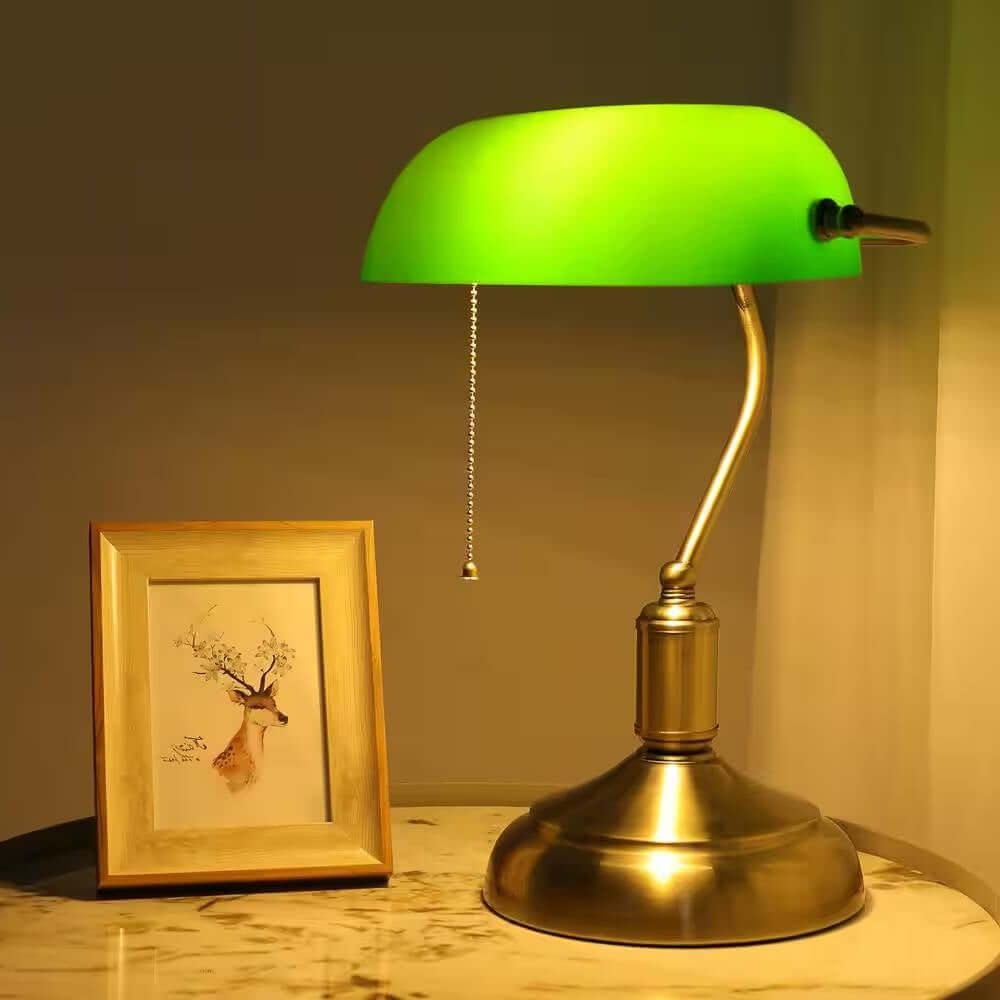
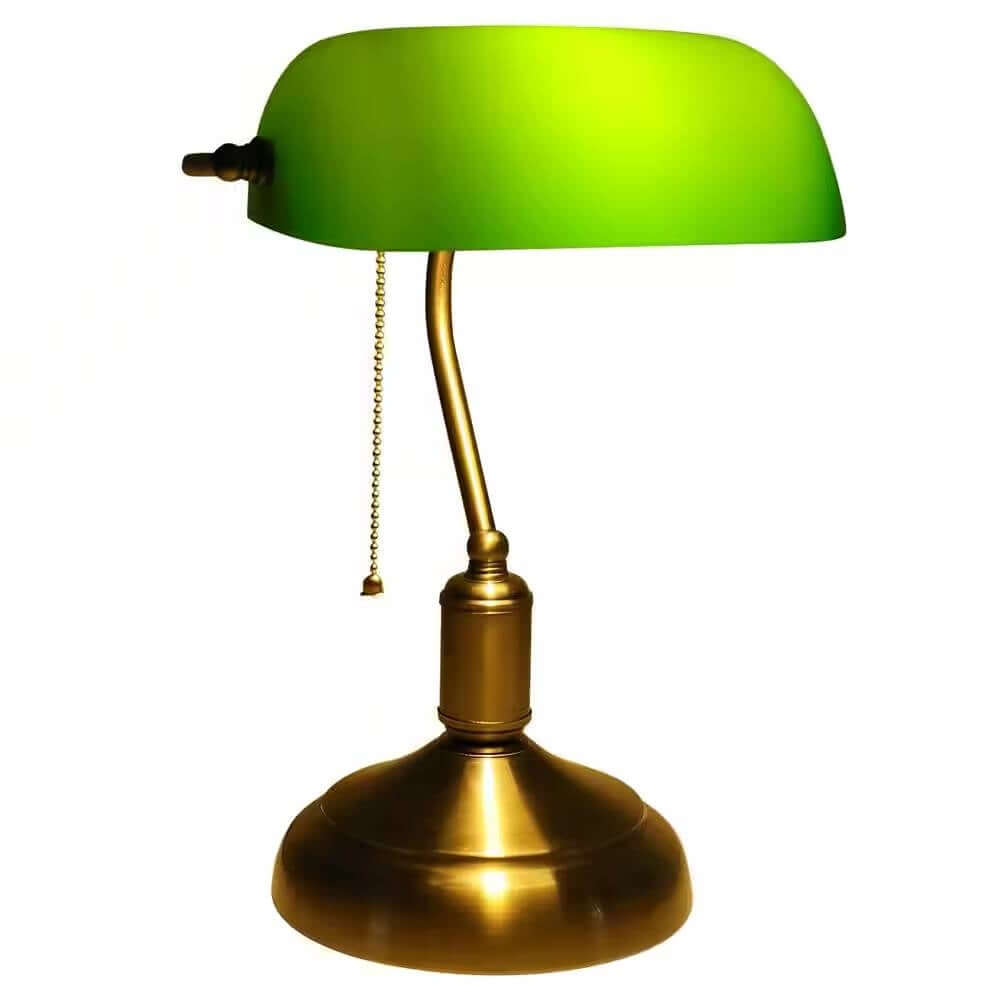
Brass and alabaster table lamps inspired by Victorian drawing rooms
Accessories such as antique brass candlesticks or converted oil lamps reinforce authenticity and add another layer of historical resonance to the décor. Lighting should glow, not glare — it must feel atmospheric, gentle, and romantic, echoing the ambiance of grand halls and intimate parlors.
Decorative Accents & Tabletop Ornaments: Curated Heritage in Every Detail
Accents are what transform a room from decorated to storied. They become the objects one lingers over — small sculptures, aged books, ornamental boxes, or antique silver that whisper fragments of forgotten tales.
Decorative elements ideal for manor décor include:
-
Horse busts or equestrian statuettes
-
Brass foxes, stags, and hounds
-
Antique English silver trays or tea services
-
Globes and compasses, referencing travel and scholarship
-
Stone or cast-metal urns
-
Carved wooden boxes or Regency writing slopes
-
Shield and crest décor pieces
These items create visual rhythm on console tables, mantels, desks, and shelves. They add texture, glints of metal, sculptural presence, and narrative richness. Whether vintage-inspired or historically sourced, they embody the spirit of the manor: curated, refined, and deeply meaningful.
Textiles & Tapestries: Layered Warmth and Aristocratic Comfort
Textiles are essential in shaping the emotional experience of Old World interiors. They soften architectural lines, absorb sound, and bring romance and warmth to the room.
Common textiles within manor décor include:
-
Tapestry-style wall hangings
-
Damask throw pillows
-
Tartan blankets in refined palettes
-
Rugs with Oriental or Aubusson influences
-
Equestrian-themed fabrics with subtle bridle patterns
Authentic antique textiles — including tapestry fragments or handwoven rugs — add unmatched allure and can become focal points within rooms. But vintage-inspired pieces allow homeowners to enjoy the look without the delicacy or cost of antiques.
Storage & Furniture Accents: Carved Wood, Brass Hardware, and Heirloom Appeal
While not large-scale furniture, small storage and accent pieces play an important role in manor styling.
These include:
-
Ornate wall shelves
-
Carved wooden boxes with brass inlay
-
Leather trunks
-
Antique map chests
-
Small Gothic or Tudor-inspired side tables
-
Display pedestals for equestrian sculptures
Such pieces introduce architectural gravitas and diversify the room’s texture. Antique English boxes, especially those with marquetry or brass-bound corners, contribute historical depth and craftsmanship — one of the hallmarks of manor décor.
How to Decorate With Old World Manor Décor in Every Room
The Grand Entryway: A Noble First Impression
A manor-inspired entryway sets the tone for the entire home. Even in smaller spaces, a few key pieces can create an atmosphere of stately welcome.
Ideal elements include:
-
A crest-adorned or gilded mirror
-
A pair of wrought-iron or brass sconces
-
Equestrian artwork: a horse portrait or stable scene
-
A polished umbrella stand — preferably antique
-
A console table with a curated vignette (candlesticks, a small statue, and a leather-bound book stack)
This space should introduce the home’s narrative — heritage, elegance, equestrian romance — while hinting at deeper stories within the rooms beyond.
The Manor Living Room: Atmosphere, Warmth, and Aristocratic Balance
The living room benefits immensely from manor styling because it is naturally suited to layered décor. Here, one can combine luxurious textiles, sculptural accents, rich colors, and meaningful antiques.
Key design strategies include:
-
A fireplace-adjacent vignette with equestrian statues or heraldic art
-
A tapestry or large painting above the mantel
-
Side tables displaying antique silver or carved boxes
-
Warm lighting with candelabras or shaded lamps
-
Tartan throws or tapestry pillows
-
Clustered décor arrangements using globes, urns, books, and metal figurines
The goal is to create a room that feels simultaneously grand and inviting — elegant, but never cold or overly formal.
The Old-World Study or Library: The Soul of the Manor
Studies offer the perfect canvas for English antiques and scholarly décor. The mood should be one of quiet contemplation, stately intelligence, and artistic romance.
Recommended elements:
-
Leather-bound book sets in deep mahogany tones
-
Horse and hunting prints framed in gold leaf
-
A globe or antique-style map on a stand
-
A fox or hound sculpture symbolizing sporting heritage
-
Desk accessories: quill-style pens, inkwell décor, magnifiers, carved paperweights
-
Leather chairs accented with damask or equestrian pillows
This room thrives on tactile richness — embossed leather, polished wood, patinated metal — all of which create an environment that feels deeply rooted in history.
The Dining Hall: A Space for Ceremony and Celebration
Dining areas provide an opportunity to echo banquet halls of old, where gatherings were events rich with atmosphere and tradition.
Ideal décor includes:
-
Heraldic wall art
-
A wrought-iron or candle-style chandelier
-
A long table centerpiece featuring brass candlesticks, stone urns, or stag sculptures
-
Silver trays or antique teaware displayed on sideboards
-
Rich-hued table linens that evoke medieval or Renaissance palettes
The space should feel ceremonial, even for everyday meals — a reminder of the importance of gathering, feasting, and storytelling within the manor tradition.
The Bedroom Sanctuary: Romance, Softness, and Old World Poise
Manor-style bedrooms are defined by softness, layered warmth, and inviting luxury.
Incorporate:
-
Tapestry headboard accents or wall hangings
-
Damask pillows and velvet throws
-
A pair of refined bedside lamps with atmospheric glow
-
Subtle equestrian or crest-themed artwork
-
Antique boxes or a small writing slope on bedside tables
The goal is serenity infused with aristocratic charm — a room where the romance of the past meets modern comfort.
Seasonal Decorating With Old World Manor Décor
Autumn — The Sporting Season’s Warm Embrace
Autumn is the season most naturally aligned with manor décor. It invites equestrian themes, foxhunting references, and the warmth of leather, brass, and rich textiles.
Ideal items include:
-
Tartan blankets in deep greens and burgundies
-
Leather accessories with saddle stitching
-
Stag and fox sculptures
-
Dried foliage in stone or iron vases
-
Warm-toned candlelight for evening atmosphere
The home feels instantly like an English country estate preparing for the sporting season.
Winter & Holiday — Gilded Splendor and Festive Tradition
Winter brings opportunities for opulence.
Incorporate:
-
Gold or brass accents
-
Candle-filled mantels
-
Heraldic holiday décor
-
Rich reds, greens, and ivory tones
-
Equestrian ornaments or hunting motifs
This approach creates a holiday atmosphere steeped in timeless, aristocratic charm.
Spring — Renaissance Bloom and Garden Estate Freshness
Spring emphasizes rebirth, gardens, and the softening of heavy tones.
Consider:
-
Botanical prints
-
Lighter tapestry hues
-
Ivory, sage, and lilac accents
-
Subtle equestrian pieces symbolizing spring riding season
-
Fresh florals arranged in antique vases
The result is an interior that feels restored, elegant, and hopeful.
Summer — Garden Parties and Equestrian Season Light
Summer invites light, clarity, and the airy elegance of stately garden estates.
Use:
-
Polished brass that catches afternoon light
-
Fresher greens and botanical elements
-
Equestrian trophies or riding-inspired décor
-
Lighter textiles and stone accessories
This seasonal shift keeps manor décor relevant year-round.
Gift-Giving With Old World Manor Décor
For Equestrian Enthusiasts
Horse busts, equestrian trays, riding prints, and saddle-stitched leather accessories make deeply personal and meaningful gifts.
For Admirers of the English Hunting Lodge Tradition
Stag sculptures, fox figurines, hound-themed accents, and heraldic shields evoke sporting heritage.
For History and Literature Lovers
Globes, map prints, Victorian book sets, and antique-style writing accessories offer scholarly romance and intellectual flair.
For New Homeowners With Classic Taste
Statement décor pieces — mirrors, sconces, crests, or centerpieces — symbolize stability, heritage, and beauty.
Creating a Cohesive Old World Manor Aesthetic
Blending Antiques With Vintage-Inspired Décor
The key to success is balance: allowing antiques to shine while using vintage-inspired décor to fill thematic or stylistic gaps. Antiques offer authenticity; newer pieces offer consistency and accessibility.
Layering Equestrian and Hunting Motifs Gracefully
Themes should be present but not overwhelming. A curated approach — one equestrian piece per surface, a few hunting motifs per room — ensures elegance.
Creating Vignettes and Gallery Walls
Groupings tell stories. A vignette might include:
-
A horse bust
-
A pair of candlesticks
-
A crest-framed print
-
An antique silver tray
Similarly, gallery walls featuring a mix of heraldic art, equestrian prints, and country landscapes create visual richness and historical depth.
Choosing Color Palettes and Finishes
The most authentic manor palettes include:
-
Oxblood
-
Deep mahogany
-
Hunter green
-
Burgundy
-
Patinated gold
-
Black accents
-
Ivory highlights
These shades conjure the intimacy of libraries, the drama of dining halls, and the elegance of old English rooms washed in candlelight.
Historical Roots of Old World Manor Décor
Medieval and Tudor Influences
Manors began as fortified homes, evolving from defensive structures into symbols of wealth and power. Heraldry, carved wood, ironwork, and stone set the foundation for today’s décor motifs.
Renaissance Influence
The Renaissance transformed décor into an art form. Humanist ideals, classical motifs, and gilded ornamentation enriched manor interiors and introduced refined aesthetics still celebrated today.
Georgian and Victorian Evolution
Georgian symmetry and Victorian eclecticism further shaped the manor aesthetic, introducing more luxurious materials, equestrian art, and layered decorative objects that remain central to the style.
Why Old World Manor Décor Thrives in Modern Homes
A Desire for Heritage and Emotional Narrative
In a fast-paced world, people crave décor that feels meaningful, storied, and grounded. Manor décor satisfies this longing with its sense of place, history, and romance.
Warmth Through Storytelling
Each piece — whether antique or vintage-inspired — contributes to a narrative. Together, they form interiors that feel inherited, intentional, and authentic.
Compatibility With Contemporary Architecture
Manor décor blends surprisingly well with modern homes. Its textures, materials, and motifs add depth and sophistication without requiring a full architectural overhaul.
The Timeless Magic of Old World Manor Décor
Old World manor décor is more than a design style; it is a tribute to heritage, craftsmanship, and the enduring elegance of the English estate. Through equestrian romance, refined hunting-lodge motifs, sumptuous textiles, aged metals, carved woods, and authentic antiques, this style transports the modern home into a world where beauty is abundant, history is celebrated, and every room feels like a chapter in an unfolding story.
By embracing this décor style — whether through a single antique box, a gallery wall of equestrian prints, or a fully layered living room — homeowners can invite the enchantment of the past into their everyday lives. Old World manor décor offers not only luxury but emotional resonance, grounding the home in timeless artistry and noble charm.
Vintage Decorating & Gifting Guide
View all

